
What are Epidermal Inclusion Cysts?
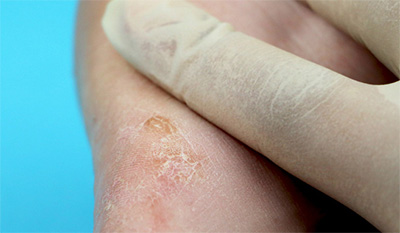
Epidermal inclusion cysts are small, noncancerous lumps that develop beneath the skin. They form when skin cells that should naturally shed become trapped under the surface, creating a slow-growing sac filled with keratin, a protein normally found in skin, hair, and nails. While they can occur anywhere on the body, they are often seen on the foot and ankle due to repetitive pressure and friction.
What are the Causes of Epidermal Inclusion Cysts?
Several factors can contribute to the formation of these cysts, including:
- Trauma or injury: A cut, puncture wound, or surgical incision can push skin cells into deeper tissue.
- Repetitive friction: Ongoing pressure from shoes or athletic activity may irritate the skin and cause cysts to form.
- Blocked hair follicles or sweat glands: These can trap skin cells beneath the surface.
- Genetic factors: Some people may be more prone to developing cysts.
What are the Symptoms of Epidermal Inclusion Cysts?
Common signs and symptoms include:
- A small, round, firm lump beneath the skin
- Skin-colored or slightly yellow appearance
- A central punctum (tiny opening on the surface)
- Tenderness or pain if the cyst becomes inflamed or infected
- Swelling and redness in cases of infection
How are Epidermal Inclusion Cysts Diagnosed?
Diagnosis is usually clinical. A foot and ankle specialist examines the lump’s size, texture, and location. In uncertain cases, imaging or a biopsy may be recommended to rule out other conditions such as tumors or infections.
What are the Treatment Options for Epidermal Inclusion Cysts?
Observation: Small, painless cysts may not require immediate treatment.
- Medications: Antibiotics can help if infection is present.
- Drainage or excision: Definitive treatment involves surgically removing the cyst wall to prevent recurrence.
Early evaluation by our providers ensures accurate diagnosis and appropriate management, especially if pain or infection develops.