
Ankle Injuries
Ankle injuries are commonly caused by falls, sudden twists, or any abnormal movement that causes injury to one or more ankle joint structures. Use of inappropriate shoes during physical activity or any forceful movement on an uneven surface may also cause a ligament injury. It is one of the most common orthopedic injuries and can also be caused by walking down a slope. Previous ankle or foot injuries, as well as congenitally weak ankles, increase the risk of ankle injury.
The symptoms of an ankle injury depend on the severity of the injury which correlates with the extent of damage to the ligaments. Pain is the most common symptom of an ankle injury and can be associated with difficulty standing or walking. You may also notice swelling around the ankle, which indicates your body's inflammatory response to an injury.
Types of Ankle Injuries
If an ankle injury results in significant pain, swelling, and the inability to bear weight on your ankle, it could be:
Strain
A strain is a tear in a muscle or tendon. Tendons attach muscles to bones and help stabilize your joints, and strains can happen to them with either trauma or overuse.
Sprain
Sprains are similar to strains, but they affect ligaments instead of tendons or the muscles attached to them. Ligaments connect two bones and are integral to joint movement. If you overstretch or tear a ligament, you have a sprain.
Fracture
A fracture is a bone injury, but it can result in soft tissue injuries surrounding it too. When one of the bones in your ankle breaks one or more times, you need fracture care to repair it. Breaks in the bone due to overuse instead of trauma are called stress fractures.
Diagnosis
In evaluating and diagnosing your injury, the foot and ankle surgeon will inquire about any prior ankle injuries or instability. The Howard County Foot & Ankle staff addresses ankle injuries after examining them extensively with an X-ray. Your X-ray scans show the severity of your injuries and assist your doctors in developing a treatment strategy. X-rays or other imaging techniques may be useful in further assessing the ankle.
The degree of your ankle injury determines your treatment plan, but Howard County Foot & Ankle often begins with non-surgical approaches.
Conservative Treatment
When you have an ankle sprain, rehabilitation is crucial—and it starts the moment your treatment begins. They recommend and provide some combination of these treatment methods:
- RICE therapy (rest, ice, compression, and elevation)
- Immobilization with a splint or cast
- Sports tape or braces for support
- Physical therapy and home exercises
- Oral or injectable anti-inflammatory medications
- Platelet-rich plasma (PRP) joint injections
For severe injuries that don’t seem to improve with immobilization, physical therapy or injections, surgical repairs can fix broken bones or torn tendon and ligament tears. Ankle injuries can occur unexpectedly, whether you are an athlete or not. For expert fracture, sprain, or strain care, schedule a consultation at Howard County Foot & Ankle by phone or book online today.
Surgical Treatment
If conservative treatments fail to provide relief and ankle joint instability persists even after months of rehabilitation, surgery may be required.
Common surgical procedures performed for the management of an ankle sprain include ankle reconstruction surgery and ankle arthroscopy.
Chronic Ankle Instability
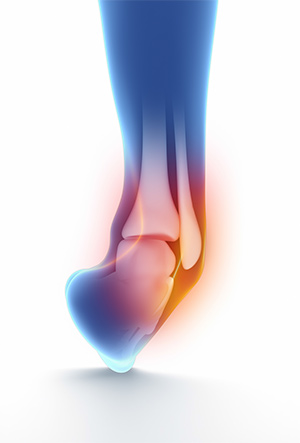
Chronic ankle instability is a condition characterized by a recurring giving way of the outer (lateral) side of the ankle. This condition often develops after repeated ankle sprains. Usually, the giving way occurs while walking or doing other activities, but it can also happen when you’re just standing. Many athletes, as well as others, suffer from chronic ankle instability. People with chronic ankle instability often complain of:
- A repeated turning of the ankle, especially on uneven surfaces or when participating in sports
- Persistent (chronic) discomfort and swelling
- Pain or tenderness
- The ankle feeling wobbly or unstable
When Is Surgery Needed?
In some cases, the foot and ankle surgeon will recommend surgery based on the degree of instability or lack of response to nonsurgical approaches. Surgery usually involves repair or reconstruction of the damaged ligament(s). The surgeon will select the surgical procedure best suited for your case based on the severity of the instability and your activity level. The length of the recovery period will vary, depending on the procedure or procedures performed.